“`html
How to Preserve Wooden Outdoor Furniture
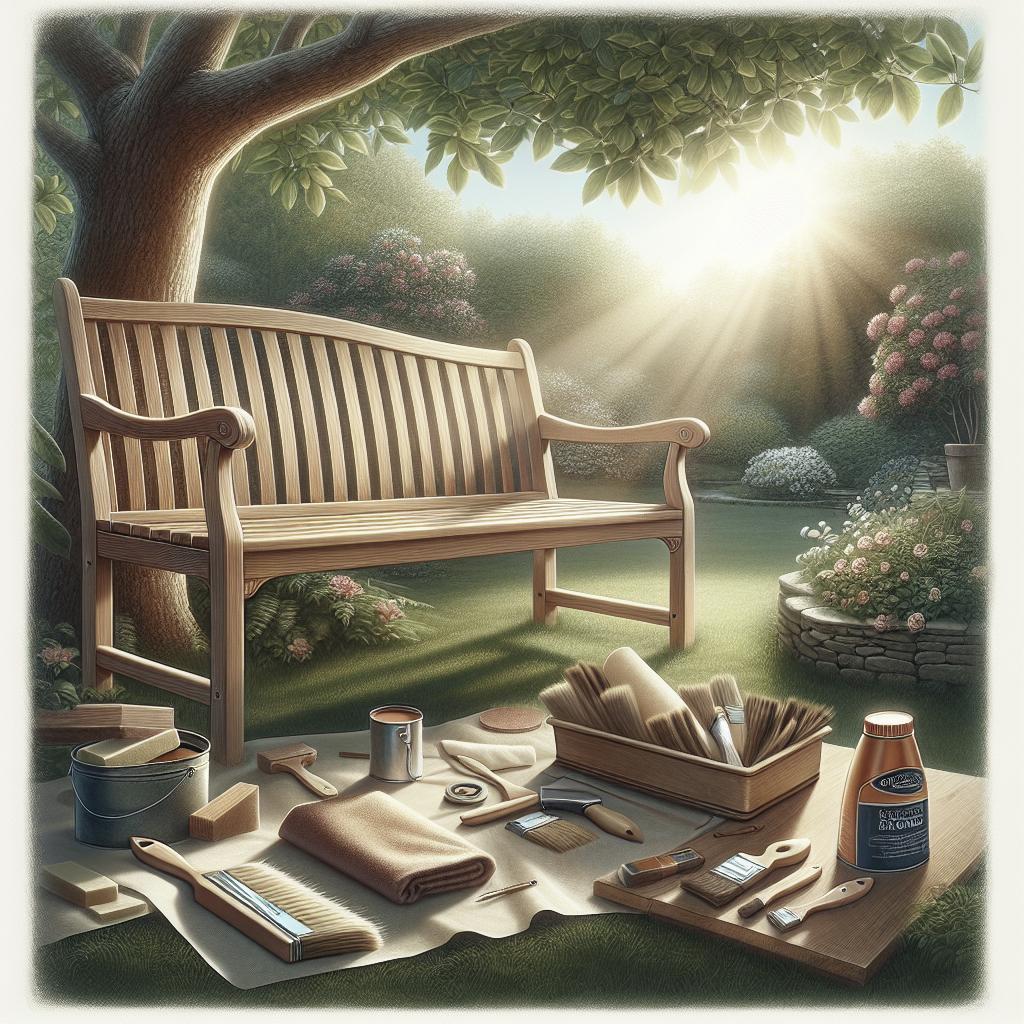
Wooden outdoor furniture adds warmth and elegance to your garden or patio, but it demands a level of care to withstand the elements. Preserving this type of furniture involves selecting the right sealants, applying wood oils, and understanding the principles of protection. Throughout this guide, we’ll explore which sealants and wood oils are best suited for waterproofing and maintaining your outdoor pieces, provide step-by-step application methods, and highlight the importance of maintaining adjoining materials like fabric. These insights aim to extend the life and beauty of your wooden furniture, letting you enjoy the outdoors in style.
Related To:
1937453266
Choosing the right finish for your wooden outdoor furniture can be daunting. With various options available, it’s crucial to select the proper sealant that protects against the distinct rigors of outdoor exposure, such as moisture, UV rays, and fungal growth. Understanding the necessary protective measures specific to your furniture type will help prolong its lifespan.
In identifying the most suitable preservation approach, factors such as the type of wood and the environmental conditions in which the furniture resides play vital roles. Whether it’s a hardwood like teak or a softer wood like pine, each has unique properties that necessitate consideration.
Which Sealant Will Work Best?
456637807
The choice of sealant profoundly influences how well your wooden furniture will endure the test of time. Sealants, such as polyurethane, lacquer, and varnish, each offer different benefits. Polyurethane provides a durable coating that resists scratches and UV rays, making it a popular choice for high-traffic areas. Lacquer offers a hard, glossy finish that excels in protection but may require more frequent reapplication due to its brittleness.
Varnish, especially spar varnish, is designed to withstand environmental extremes, offering excellent water resistance. Before selecting a sealant, consider how your furniture will be used and the primary threats from the environment, whether that’s heavy rainfall, prolonged sun exposure, or simply the wear of time.
Rules to Follow When Using Sealant
1976754857
Applying a sealant isn’t just about brushing it on and hoping for the best. Certain rules ensure that the sealant adheres properly and forms a protective coat. First, ensure that the wood surface is clean and dry. Any dirt or moisture can prevent the sealant from bonding correctly. Be sure to sand the surface to remove any existing finishes, as this allows for better absorption.
Always follow the manufacturer’s instructions regarding the application temperature and method. It’s recommended to apply sealant in thin, even coats, allowing each layer to dry before adding the next. This ensures a uniform finish and optimizes the protective qualities of the sealant. Lastly, avoid applying sealants in direct sunlight as it can cause the finish to dry too quickly, leading to defects such as bubbles or a patchy appearance.
How to Waterproof Furniture With Wood Oils
Using wood oils is another effective method to protect your outdoor furniture. Unlike sealants that form a film atop the wood, oils penetrate deeper, enhancing natural beauty and resistance to moisture. Wood oils tend to highlight the grain while providing a warm, glossy finish that enhances the wood’s inherent beauty.
These oils are particularly well-suited for dense hardwoods where deeper penetration is essential. For those seeking an approach that maintains the lighter aesthetic of wood while still providing practical protection, wood oils are an excellent choice.
Types of Wood Oil
2038498760
Several types of wood oils are appropriate for outdoor furniture, each offering distinct benefits. Tung oil, for instance, is highly water-resistant, which makes it ideal for exterior applications. It penetrates deeply, providing long-lasting protection while enhancing the wood’s color and grain.
Linseed oil, particularly in its boiled form, is another popular choice. It dries faster than raw linseed oil and forms a protective layer that’s both durable and visually appealing. Danish oil, a blend of oil and varnish, also provides robust protection with a smooth, satin finish.
How to Apply Wood Oil
2271005187
Applying wood oil to outdoor furniture involves several essential steps for optimal results. Begin by cleaning the furniture thoroughly, ensuring it is free of dust and grime. Use fine-grit sandpaper to gently sand the surface, facilitating better oil penetration. Once prepped, apply the oil with a clean cloth, working along the grain for an even distribution.
Allow the oil to soak into the wood for the recommended time before wiping off any excess. For enhanced protection, multiple coats can be applied, with adequate drying time between each application. Periodic reapplication of wood oil is advisable to maintain the effectiveness of the protective finish, particularly after prolonged exposure to harsh weather.
How to Waterproof Furniture Using Heavier Sealants
Wooden Sideboard with Coat of Spar Urethane
For more rigorous conditions, heavier sealants like spar urethane provide formidable protection. Unlike regular urethane, spar urethane is specifically formulated for outdoor use, offering exceptional resistance to UV rays and moisture. This makes it ideal for waterproofing furniture subjected to heavy rain or intense sunlight.
Such protective treatment is particularly beneficial for furniture that experiences heavy wear and tear due to frequent use or shifting weather patterns. The robust coating provided by spar urethane ensures long-lasting preservation, safeguarding both the aesthetic and structural integrity of your wooden pieces.
Types of Heavy Sealants
Heavy sealants go beyond basic coatings, offering substantial protection for your outdoor furniture. Besides spar urethane, other specialized sealants include epoxy resins and marine-grade varnish. Epoxy resins form a tough, water-tight barrier that is exceptionally durable, ideal for settings near water bodies.
Marine-grade varnish, originally designed for boats, provides magnificent resilience against corrosive saltwater and harsh sunlight. Despite its robust properties, it maintains a clear finish that doesn’t alter the natural beauty of the wood.
How to Apply Sealant
When applying a heavy sealant, attention to detail is crucial. Begin by preparing the surface as you would for applying any other protective coating: clean the surface thoroughly and sand it to remove any prior finishes. Once prepped, apply the sealant with a brush, ensuring even coverage.
Use thin coats to avoid drips and runs, allowing each layer to dry completely before applying the next. Pay special attention to joints and edges, which are more susceptible to water ingress. Always apply in well-ventilated areas to ensure optimal drying conditions and adhere to any manufacturer guidelines concerning drying and curing times.
Don’t Forget About the Fabric
Outdoor furniture often includes fabric elements, such as cushions and covers, that require their own protective measures. Even with well-protected wood, exposure to the elements can degrade fabric materials, leading to fading and mildew. Consider using waterproof fabric spray to maintain the aesthetic and functional quality of textiles used alongside your wooden furniture.
Besides chemical treatments, bringing fabric indoors during extreme weather or using protective covers will extend their life significantly. Regular cleaning and maintenance of these fabrics can complement the protective efforts applied to the wood, ensuring your entire furniture setup remains in pristine condition.
Final Thoughts
| Section | Key Points |
|---|---|
| Related To: | Consider the type of wood and environmental conditions when choosing preservation methods. |
| Which Sealant Will Work Best? | Choose from polyurethane, lacquer, varnish based on protection needs and environmental threats. |
| Rules to Follow When Using Sealant | Ensure surfaces are clean and dry; apply sealant in thin coats; avoid direct sunlight. |
| How to Waterproof Furniture With Wood Oils | Wood oils penetrate deep, enhancing durability and the natural beauty of the wood. |
| Types of Wood Oil | Tung oil offers high water resistance; linseed and Danish oils provide durable finishes. |
| How to Apply Wood Oil | Clean and sand surfaces, apply along the grain, and use multiple coats as needed. |
| How to Waterproof Furniture Using Heavier Sealants | Spar urethane provides exceptional protection against UV rays and moisture. |
| Types of Heavy Sealants | Epoxy resins and marine-grade varnish offer robust, clear finishes. |
| How to Apply Sealant | Prepare surfaces well, apply with even strokes, and ensure ventilation and drying. |
| Don’t Forget About the Fabric | Use protective sprays and covers; bring indoors during adverse weather. |
“`