“`html
How to Create a Zen Garden
Creating a Zen garden is more than just landscaping; it is crafting a sanctuary for peace, contemplation, and tranquility. Zen gardens, often characterized by minimalistic elements like rocks, sand, and vegetation, are symbolic representations of nature, blending beauty with serenity. This guide walks you through 21 vital steps to transform any space into a meditative oasis. From the foundational aspects of building a harmonious layout to selecting the right elements that bring peace and unity, each section explores distinct components essential for your Zen garden. Incorporate water features, stones, and plants to evoke a sense of balance and harmony. Together, let’s embark on a journey to manifest a personal retreat that inspires and soothes the mind and spirit.
Elements of a Zen Garden
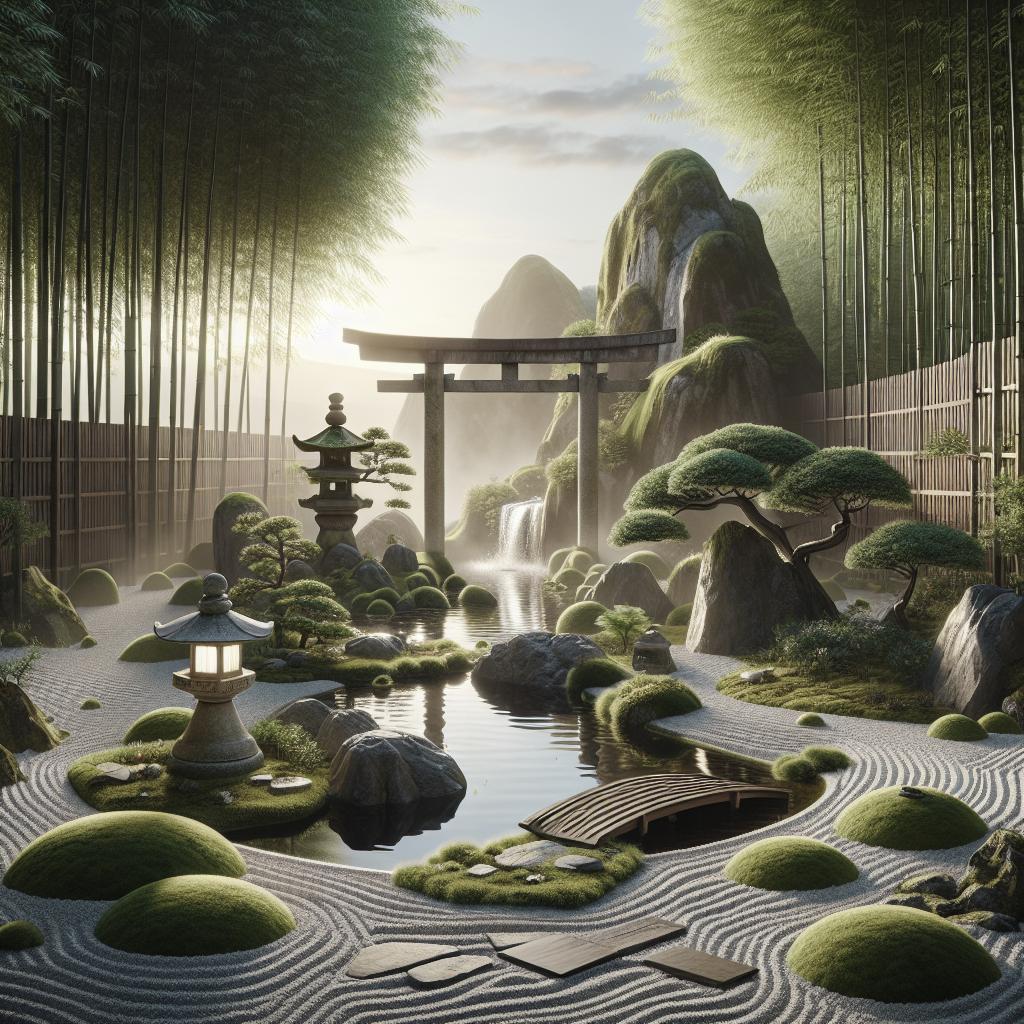
The foundational elements of a Zen garden typically include stones, gravel, water features, and minimal vegetation. Each element carries symbolic meaning, with stones representing mountains and islands while gravel or sand symbolizes water. Carefully selecting these components is key to ensuring the garden’s serene atmosphere.
In addition to basic components, incorporating arts like Bonsai trees and bamboo can enhance the tranquility of the area. Remember, simplicity and balance are major themes, so each piece should contribute to the overall sense of harmony and peace.
Make It Into a Zen Living Room
Transforming a space within your home into a Zen living room can significantly augment relaxation and mindfulness. Start by removing visual clutter to create an environment conducive to calmness. Select furniture pieces that are simple and elegant, embodying minimalist principles.
Integrate soothing elements through color choices and textures, such as soft cushions and throw blankets. Incorporate natural materials like wood and stone to draw the essence of nature into your living space, promoting balance and serenity.
Design a Labyrinth
Designing a labyrinth within your Zen garden can offer a meditative path encouraging contemplation. Choose a simple circular or spiral design, using stone, brick, or grass to construct the pathway. The journey through the labyrinth symbolizes life’s path, encouraging introspection and a meditative walk.
Keep paths narrow and winding to provide a sense of focus. This reflective journey should lead to a central point, a place to pause and reflect before retracing your steps. A strategically placed bench or stone sculpture can serve as this focal point.
Put Down Gravel
Gravel is fundamental in a Zen garden, often raked to mimic the ripples of water. Choose white or light-colored gravel for a clean and open appearance. The act of raking can be meditative, grounding you in the present moment and allowing creative expression.
Lay the gravel evenly and contour gently around rocks and plants to create a seamless flow. Regular maintenance will keep the gravel pristine and the patterns distinct, contributing to the garden’s ongoing tranquility.
Build a Floating Deck
Adding a floating deck to your Zen garden creates a stunning spot for reflection and appreciation of the surrounding landscape. Utilize natural materials like cedar or teak for a harmonious blend with nature while ensuring durability.
Position the deck to overlook key features such as a koi pond or rock arrangement. Create an inviting space with simple seating or meditation cushions, and allow the deck to serve as both a retreat and a vantage point for appreciating the peaceful garden.
Incorporate a Peaceful Color Palette
Selecting colors that evoke calmness and relaxation is crucial in designing your Zen garden. Opt for muted tones like soft greens, gentle blues, and tranquil whites. These colors should flow naturally with the garden’s physical elements and the surrounding environment.
Introduce color through elements such as flowering plants, textiles, or painted surfaces. The aim is to use color to enhance the garden’s serenity without overpowering its simplicity or elegance.
Bring in a Large Rock
In Zen garden symbolism, a large rock represents immovability, strength, and the power of nature. Choosing an appropriately sized stone that retains natural lines and textures can serve as an anchor point within your garden.
Place the rock in a position that promotes balance, perhaps in contrast to a water feature or as part of a rock grouping. The strategic placement should draw the eye and inspire meditation upon the enduring qualities it represents.
Install a Bamboo Water Feature
A bamboo water feature can add an element of auditory tranquility through the gentle sound of flowing water. This feature might include a simple bamboo spout or a more intricate water cascade, blending seamlessly with the garden’s natural elements.
Proper placement near seating areas or viewpoints ensures the soothing sounds are enjoyed without overwhelming the surrounding silence. Such features not only enhance the garden’s aesthetic but also its sensory involvement.
Decorate With a Buddha Sculpture
Incorporating a Buddha sculpture can enhance the spiritual ambiance of your Zen garden, symbolizing peace, wisdom, and enlightenment. Place the statue in a sheltered area to preserve its serenity, such as beneath a tree or surrounded by shrubs.
Ensure the sculpture’s size and style complement your garden’s design while maintaining the atmosphere of balance and reflection. Such a statue can serve as a powerful visual reminder of mindfulness and introspective practice.
Add Lights With Intention
Thoughtfully placed lighting can transform your Zen garden into a tranquil evening retreat. Opt for soft, dim lights scattered strategically along pathways, near focal points, or around water features to highlight your garden’s most cherished elements.
Solar-powered lanterns or embedded LED lights can offer practical yet elegant illumination, preserving the garden’s natural feel while providing safety and enhancing aesthetic appeal. Such lighting should enhance, not overwhelm, the garden’s tranquil mood.
Plant a Bamboo Privacy Fence
A bamboo privacy fence not only respects the tradition of Eastern garden design but also offers an effective, natural barrier. Plant bamboo along the perimeter to delineate boundaries while maintaining the feeling of openness.
Bamboo’s fast growth and height make it an excellent choice for creating seclusion, allowing the space to feel like a personal haven sheltered from the outside world. Choose non-invasive species to ensure manageability and sustainable growth.
Create a Focal Point
Every Zen garden benefits from a central focal point that captures the eye and encourages meditation. This could be an artful arrangement of stones, a serene water feature, or an elaborately pruned Bonsai tree.
Position your focal point thoughtfully, using the surrounding elements to frame and highlight it without creating clutter. This focal point should draw visitors toward it, inviting deeper exploration and reflection.
Style a Stone Path
A stone path can guide visitors through your Zen garden, inviting exploration and contemplation. Select stones that complement your garden’s aesthetic and arrange them in a flowing pattern that harmonizes with the landscape.
Consider varying the path’s width and texture to add interest and direct attention to specific features or views. Allow the path to meander among plantings and features, fostering a sense of discovery and tranquility.
Create a Zen Zone
Designating a specific “Zen zone” within your garden can enhance its purpose as a meditative escape. This area might consist of comfortable seating, a meditation mat, or a space for yoga and mindfulness practices.
Incorporate calming elements such as a water feature or a gravel bed to amplify the area’s peaceful atmosphere. The goal is to create a personal retreat where anyone can engage in peaceful reflection and rejuvenation.
Add a Koi Pond
A koi pond introduces vibrant life and a dynamic water element, symbolizing motion and tranquility. Designing your pond with a natural shape and incorporating floating plants can enhance its beauty while maintaining the garden’s peaceful resonance.
Populate the pond with colorful koi, whose graceful movements can be meditative to watch. Ensure appropriate filtration and plant support to maintain water quality and provide a healthy environment for the fish.
Add Hanging Lanterns
Hanging lanterns offer an atmospheric touch that complements the aesthetic of a Zen garden. Choose lanterns that reflect the garden’s style, perhaps with intricate patterns or simple shapes, and hang them at various heights above paths or seating areas.
Illuminate the lanterns with candles or LED lights for a warm glow, enhancing the garden’s tranquility in the evening. These lanterns can serve as both a functional lighting solution and an ornamental element that accentuates the garden’s serene atmosphere.
Incorporate Moss
Moss provides a lush, natural ground cover that embodies the passage of time and the tranquility of nature. It thrives in shady, moist conditions, making it a perfect choice for areas under trees or between stepping stones.
Introduce moss to your garden intentionally, allowing it to soften stone edges and create a textural contrast to more solid elements. Its presence can enhance the garden’s ancient feel, providing a sense of constant, quiet renewal.
Plant a Japanese Maple Tree
The Japanese Maple is a quintessential addition to any Zen garden, valued for its delicate foliage and seasonal color variation. Its graceful form can serve as both a focal point and a canopy, casting dappled shade on features below.
Consider the tree’s mature size and shape when choosing a location, ensuring it complements other elements without overwhelming them. A Japanese Maple’s vivid red or green leaves can inject a dash of color while maintaining the garden’s serene composure.
Incorporate Raked Sand
Raked sand is a signature element of Zen gardens, symbolizing the fluidity and movement of water. Use a garden rake to create flowing patterns in the sand, evoking ripples or waves that complement the static elements around them.
The act of raking each day can be a mindful practice, instilling a sense of calm and order. Change the patterns periodically to reflect your mood or the seasons, using this activity as both reflection and art.
Add a Rock Garden
A rock garden contributes texture and dimensional interest to your Zen space, encouraging contemplation through its artful arrangement. Select rocks of varied sizes and shapes to create a natural landscape that might suggest mountains or islands.
Position rocks with intention, balancing forms and colors to create pathways for the mind to wander. A well-designed rock garden attracts quiet contemplation and can become a reflective centerpiece amid the garden’s other elements.
Create a Garden Bridge
A garden bridge can serve as both a practical crossing and an aesthetic addition, symbolizing transition and connection. Construct your bridge over a water feature, such as a stream or koi pond, to enhance these symbolic qualities.
Use materials like wood or stone that harmonize with your garden’s design, maintaining a balance between the bridge’s function and its form. This installation can invite movement through the landscape, encouraging thoughtful interaction with the space.
Meet the Expert
Creating a Zen garden involves understanding both the art of landscaping and the philosophy of Zen. Many experienced landscapers and Zen practitioners can offer insights into how best to design and build a garden that reflects your individual Zen journey.
If you’re new to designing such a space, consulting with an expert can help ensure your garden’s layout, materials, and elements align cohesively. Professionals in this field can provide invaluable guidance, from selecting the right plants to incorporating water and rock features harmoniously.
Lessons Learned
| Element | Purpose |
|---|---|
| Elements of a Zen Garden | Foundation for tranquility and harmony. |
| Zen Living Room | Integrate peace into indoor spaces. |
| Labyrinth Design | Encourages contemplation and meditative journey. |
| Gravel Application | Mimics the tranquility of water through raking. |
| Floating Deck | Creates a space for reflection and appreciation. |
| Color Palette | Utilize soothing tones for a calming atmosphere. |
| Large Rock | Emphasizes the power and strength of nature. |
| Bamboo Water Feature | Adds calming auditory elements. |
| Buddha Sculpture | Enhances spiritual ambiance. |
| Intentional Lighting | Highlights garden elements encouraging evening enjoyment. |
| Bamboo Privacy Fence | Maintains privacy and natural enclosure. |
| Focal Point Creation | Draws the eye and invites meditation. |
| Stone Path | Guides and invites exploration. |
| Zen Zone | Dedicated area for reflection. |
| Koi Pond | Infuses life and movement symbolizing tranquility. |
| Hanging Lanterns | Illuminates and enhances garden ambiance. |
| Moss | Provides a lush, peaceful ground cover. |
| Japanese Maple Tree | Adds color and elegance to the landscape. |
| Raked Sand | Symbolizes water and aids in reflective practice. |
| Rock Garden | Encourages contemplation through natural arrangement. |
| Garden Bridge | Symbolizes transition and connection. |
“`