“`html
How to Childproof Your Home
Creating a safe environment for your child begins at home. As your baby grows and begins to explore, every corner of your living space holds potential hazards. Childproofing isn’t about anticipating every possible accident but reducing preventable risks. From the bathroom to the nursery, each room requires specific adjustments to ensure children’s safety. In this blog post, we’ll guide you through childproofing your house, room by room, providing practical tips and solutions. Whether it’s securing cabinets, covering outlets, or ensuring sharp edges are padded, our comprehensive guide will help you create a safer home for your little explorer.
Babyproofing the House
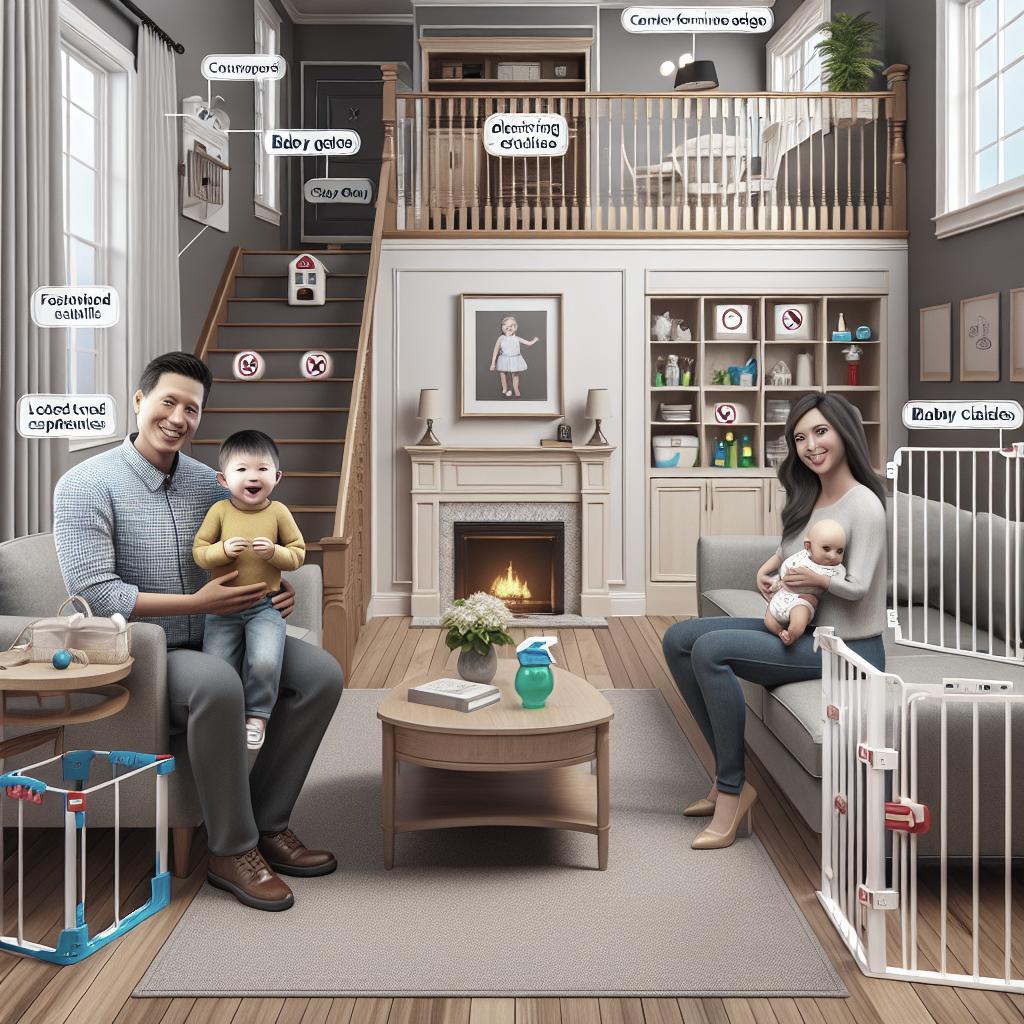
At the core of childproofing your home is understanding that children are naturally curious. Start by assessing your house from a child’s perspective. Get down on your hands and knees and look for things that might catch their attention or pose a risk. Secure heavy furniture to the walls using brackets to prevent tipping. Additionally, install safety gates at the top and bottom of stairs to prevent falls, and ensure all doors and windows have locks beyond their reach or use safety window guards.
Another essential aspect is to cover all electrical outlets with protective covers. For extra protection, consider using outlet plates that automatically cover up when not in use. This will prevent little fingers from poking into sockets. Also, install doorstops or door holders on doors that may accidentally close to avoid pinching little fingers or getting locked in a room.
Babyproofing the Bathroom
The bathroom is one of the most hazardous rooms for small children. To start, keep the bathroom door closed when not in use and install a latch out of children’s reach. Use toilet locks to prevent them from lifting the lid. For bath time, ensure that your water heater is set to a safe temperature to prevent scalding; typically, below 120°F (48°C).
To further enhance safety, use non-slip mats in the tub and on the bathroom floor. Store all medications, cleaning products, and personal care items, like razors and scissors, in cabinets with safety locks. Finally, never leave a child unattended in the bath, even for a moment, as a few inches of water can pose a significant risk.
Babyproofing the Kitchen
In the kitchen, the combination of hot surfaces, sharp objects, and cleaning supplies creates several threats. Install safety latches on all lower cabinets and drawers to keep children away from kitchen tools, breakables, and cleaning agents. Consider using stove knob covers and keeping all handles turned inward while cooking to prevent accidental burns.
Additionally, keep garbage bins and recycling containers out of reach or behind locked doors, as they often contain choking hazards or toxic materials. Consider adding corner guards to your tables and countertops to cushion falls, and always monitor your child closely while in the kitchen.
Babyproofing the Living Room
The living room is a hub for family activity and requires comprehensive childproofing. Start by securing or removing any choking hazards such as small toys, batteries, or coins. Cover sharp table edges and fireplace hearths with padding to prevent injuries during falls. It’s also wise to add protective covers to any protruding corners or edges.
Use cord shorteners to keep window blind and curtain cords out of reach, preventing strangulation hazards. Additionally, store remote controls, chargers, and electronic devices safely when not in use. Ensure that all shelving units and television stands are anchored securely to avoid tip-overs.
Babyproofing the Nursery
The nursery should be a serene and safe environment for your baby. To achieve this, ensure that the crib meets modern safety standards with a firm mattress and fitted sheets. Keep the crib free from soft bedding, pillows, and stuffed animals to prevent suffocation risks. For added safety, position the crib away from windows, radiators, or furniture they might climb.
Use a baby monitor for constant supervision when you’re not in the room. Ensure that all furniture, such as dressers or changing tables, is anchored to the walls. For added safety, use cord covers for baby monitor cords and secure curtain or blind cords to prevent strangulation hazards.
Babyproofing the Laundry Room
The laundry room contains numerous potential dangers for young children. Keep detergent pods and cleaning agents stored in high cabinets with safety locks. Children are often attracted to colorful detergent pods, mistaking them for candy or toys, which can lead to poisoning.
Additionally, ensure that washing machines and dryers remain closed at all times, and use a child lock on appliances with accessible buttons or knobs. Finally, hang any loose electrical cords out of reach or secure them with cord organizers.
Babyproofing the Home Office
Home offices can be especially dangerous, filled with electronics, cords, and small items that may interest a child. Start by organizing and concealing electrical cords using cable management systems to prevent tripping or pulling. Ensure that computer and monitor cords are out of reach.
Store loose items such as paper clips, pens, and rubber bands that could pose choking hazards in locked drawers. Make certain that all shelves are stable and reinforce heavier items to prevent tipping. Additionally, don’t overlook securing your office equipment — printers, scanners, and other hardware can be pulled down easily.
Read This Next
Ensuring the safety of young ones at home can feel overwhelming, but taking systematic steps to childproof each room will significantly reduce risks. After tackling these primary areas, you may want to delve into additional resources or explore high-tech childproofing solutions. Continue to stay informed and adjust your home setup as your child grows and develops new abilities. Also, consider connecting with parenting groups online for shared experiences and advice. Remember, awareness and preparation are your best tools for maintaining a safe and welcoming home.
Summary of Main Points
| Area | Key Childproofing Tips |
|---|---|
| House | Secure furniture, install safety gates and outlet covers. |
| Bathroom | Add toilet locks, non-slip mats and safe water heater settings. |
| Kitchen | Use cabinet locks, stove knob covers and corner guards. |
| Living Room | Anchor furniture, hide cords, use padding on sharp edges. |
| Nursery | Ensure safe crib standards, anchor furniture, use a baby monitor. |
| Laundry Room | Store detergents high, use appliance locks securely. |
| Home Office | Organize cords, store small items securely, check equipment stability. |
“`