“`html
Methods to Prevent Rust on Tools
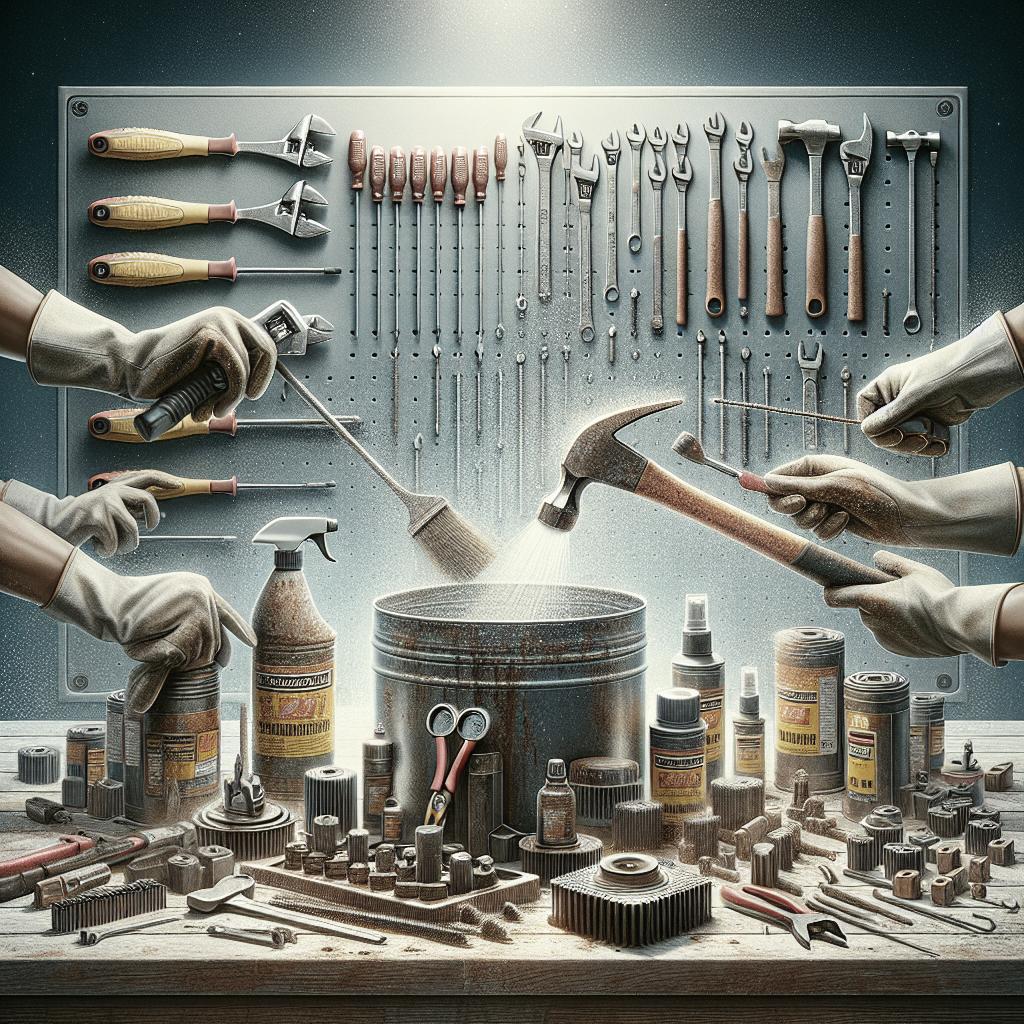
Rust is the enemy of any tool owner. It not only deteriorates the quality and aesthetic of your tools but also compromises their functionality. Preventing rust is key to extending the lifespan of your tools and ensuring they remain in optimal working condition. In this article, we provide practical and effective methods to prevent rust, ranging from choosing the right materials to proper storage techniques. We’ll explore nine different strategies that can be applied in various circumstances. Furthermore, we’ll discuss commercial rust prevention products that you can incorporate into your maintenance routine to ensure your tools are protected against corrosion and wear.
How to Prevent Rust in Any Situation
Rust is a form of iron oxide that occurs when iron or its alloys are exposed to moisture and oxygen over time. This chemical reaction, known as oxidation, leads to the weakening and gradual breakdown of the metal. The key to preventing rust is to minimize exposure to moisture and oxygen, creating a barrier between the metal surface and the elements that facilitate rust formation.
Prevention can be achieved through a variety of methods, including altering the environment in which tools are stored, applying protective coatings, and utilizing materials that are less prone to rust. Each method has its benefits and application scenarios. Understanding these options can help you maintain the integrity of your tools across different environments—whether in your home workshop, in industrial settings, or on the move.
9 Ways to Prevent Rust
1. Use an Alloy
One of the most effective methods to prevent rust is to use stainless steel or other rust-resistant alloys. Alloys are mixtures of metals that include other elements that resist rust. Stainless steel, for example, contains chromium that forms a protective barrier, preventing oxygen and moisture from triggering rust.
Choosing tools made from these materials can greatly reduce the likelihood of rust. While stainless steel tools may come at a higher initial cost, their durability and longevity are often worth the investment. Additionally, they require less maintenance compared to regular steel tools, making them ideal for both professional and casual users.
2. Apply Oil
Oil creates a protective layer over the metal surface, blocking moisture and oxygen. Regular oiling of tools is not only an effective rust preventive measure but also enhances the movement and efficiency of moving parts. Lubricating oils such as WD-40 or machine oil are popular choices.
It’s important to clean the tool surface before applying the oil to ensure maximum effectiveness. This method is especially useful for tools that are frequently used and exposed to the elements, as the oil helps prevent rust formation while ensuring smooth operation.
3. Apply a Dry Coating
Dry coatings, such as Teflon or ceramic, offer a non-porous surface that resists moisture infiltration. These coatings are ideal for tools that require minimal friction and are often exposed to harsh environments. The application of dry coatings can enhance the tool’s resistance to wear and corrosion.
Dry-coated tools originate from extensive use in industries where high performance and longevity are critical. These coatings are excellent for precision tools and high-end equipment, providing a durable shield against rust and corrosion without compromising functionality.
4. Paint the Metal
Painting metal surfaces offers a protective barrier against moisture and oxygen. While primarily aesthetic, paint can effectively reduce rust formation when properly applied. It’s essential to use rust-inhibitive primer and paint designed for metal surfaces to ensure durability.
Regular inspection and touch-ups of painted surfaces can prolong the protective qualities of painted tools. This method is particularly useful for large tools and machinery that might see external storage, as the paint reduces the impact of weather elements on the metal.
5. Store Properly
Appropriate storage is crucial in preventing rust. Tools should be stored in a dry, clean, and temperature-controlled environment. A toolbox or cabinet equipped with silica gel packs can absorb excess moisture, maintaining a dry atmosphere for the tools.
If outdoor storage is unavoidable, using waterproof covers and keeping tools elevated from the ground can minimize exposure to water or high humidity. For tools rarely used, long-term storage solutions like vapor corrosion inhibitors (VCIs) or vacuum sealing are effective strategies.
6. Galvanize
Galvanizing involves coating metal with zinc, a metal that offers robust protection against rust. The zinc layer acts as a sacrificial anode, meaning it corrodes instead of the tool, offering peace of mind in settings where long-term exposure to corrosive environments is inevitable.
This relatively cost-effective method is ideal for large-scale applications and industrial machinery. Galvanizing not only enhances rust resistance but also adds a layer of durability to tools, making it a trusted choice for heavy-duty usage.
7. Blueing
Blueing is a process that provides temporary rust resistance and is often used on firearms and machinery parts. It involves treating the metal with a solution that turns its surface into magnetite, a form of iron oxide that is more resilient compared to rust.
This technique is suitable for tools that require frequent handling and functionality retention, as it does not interfere with the tool’s dimensions or performance. Regular application can sustain the effectiveness of blueing, maintaining resistance over time.
8. Powder Coating
Powder coating offers a thick, durable finish that resists chipping, scratching, and fading. This method involves electrostatically applying a powder and then heat-curing to form a skin-like coating on the metal surface. It’s ideal for tools and equipment that require a tough, aesthetically pleasing finish.
Its environmental-friendliness and versatility in color and texture make powder coating a favorable choice for both manufacturers and consumers seeking long-term rust prevention solutions. Compared to traditional paint, powder coatings provide enhanced protection against the elements.
9. VCI Packaging
Volatile Corrosion Inhibitor (VCI) packaging offers an advanced approach to rust prevention. It involves wrapping metals with materials that release corrosion inhibitors, creating a micro-environment that resists oxidation. VCIs are popular in shipping and storage of industrial parts and tools.
The main advantage of VCI packaging is its ability to protect tools without the need for direct coatings or treatments, preserving the tool’s original condition and performance. It is perfect for preserving the integrity of high-value tools during long-haul transport or extended storage.
Shop Rust Prevention Liquid Products
To sustain the functionality and longevity of your tools, consider investing in commercial rust prevention liquids. These products are specifically designed to safeguard metal surfaces against corrosion and rust formation. They typically come in sprays, wipes, or liquid forms, providing versatile application options for different types of tools.
Rust prevention liquids can supplement other methods, such as oiling or painting, offering a layer of immediate protection. They are user-friendly and can be easily applied during routine maintenance or after cleaning tools post-use, ensuring they remain rust-free over time.
Start Resolving Your Industrial Rust Now
The integrity and performance of industrial tools are critical for operations. Addressing rust issues proactively with the right combination of prevention methods and products can lead to fewer replacements, less downtime, and improved safety standards.
When managing large inventories or high-value tools, adopting a comprehensive rust prevention strategy is key. Investing time in research, selecting the right products, and training personnel for regular maintenance ensures your investments remain reliable and efficient.
Shop Products
Our curated selection of rust prevention products caters to both personal and industrial applications, ensuring your tools get the best protection. With options ranging from rust inhibitors, oils, and protective coatings, you can tailor your rust prevention strategy to meet your specific requirements.
Explore our product range to find solutions that suit your needs and protect your valuable tools from the damaging effects of rust.
Lessons Learned
| Prevention Method | Description |
|---|---|
| Use an Alloy | Opt for tools made of rust-resistant materials like stainless steel for long-term durability. |
| Apply Oil | Regular oiling protects metal surfaces by creating a moisture-blocking barrier. |
| Apply a Dry Coating | Use Teflon or ceramic coatings to repel moisture and reduce friction. |
| Paint the Metal | Paint tools with rust-inhibitive products for both aesthetics and protection. |
| Store Properly | Maintain a dry, controlled environment with moisture absorbers for tool storage. |
| Galvanize | Coat tools with zinc to prevent rust through a sacrificial anode mechanism. |
| Blueing | Apply a magnetite finish for temporary rust resistance, ideal for precision tools. |
| Powder Coating | Choose powder coating for durable, scratch-resistant finishes. |
| VCI Packaging | Wrap tools in corrosion inhibitor materials to protect during storage and shipping. |
“`