“`html
How to Fix a Loose Cabinet Door
Having a loose cabinet door is a common household issue that can quickly become an annoyance. This guide covers everything you need to identify and fix a loose cabinet door effectively. We’ll explore common causes such as loosened screws, stripped hinge holes, and sagging due to weight. You’ll learn about the tools and materials needed, various repair methods, and preventative maintenance tips. With insights into soft-close and concealed cabinet hinges, this comprehensive tutorial will ensure your cabinet doors remain functional and aesthetically pleasing. Whether you’re a novice or an experienced DIY enthusiast, this guide will provide you with the knowledge to tackle this problem confidently.
Common Causes of Loose Cabinet Doors
Loosened Screws Over Time
Over time, the screws holding your cabinet doors in place can become loose due to regular usage. This is a typical issue in busy households where cabinets are frequently opened and closed. Temperature changes and humidity can contribute to the expansion and contraction of materials, causing screws to lose their grip.
Addressing loosened screws is often a simple fix and involves merely tightening them. However, it’s essential to act swiftly to prevent further complications such as misalignment or damage to the door or frame.
Stripped Hinge Holes
When screws are repeatedly tightened and loosed, over time, the wood material of the cabinets may become stripped. This occurs when the screw threads can’t grip the material effectively, leading to further loosening and instability.
Stripped hinge holes require immediate attention. Delaying repairs can result in irreversible damage to the cabinet door or frame, making future repairs more costly and labor-intensive.
Sagging Due to Weight
Sagging cabinet doors are another common problem, often due to the weight of the door itself or the weight of items stored inside. Overloading cabinet doors with heavy contents can amplify this issue.
Sagging can also occur when the hinges aren’t adequately secured or are made from materials that can’t support the weight. Ensuring your cabinet doors are appropriately supported is key to preventing this from becoming a chronic problem.
Tools and Materials Needed for Cabinet Hinge Repair
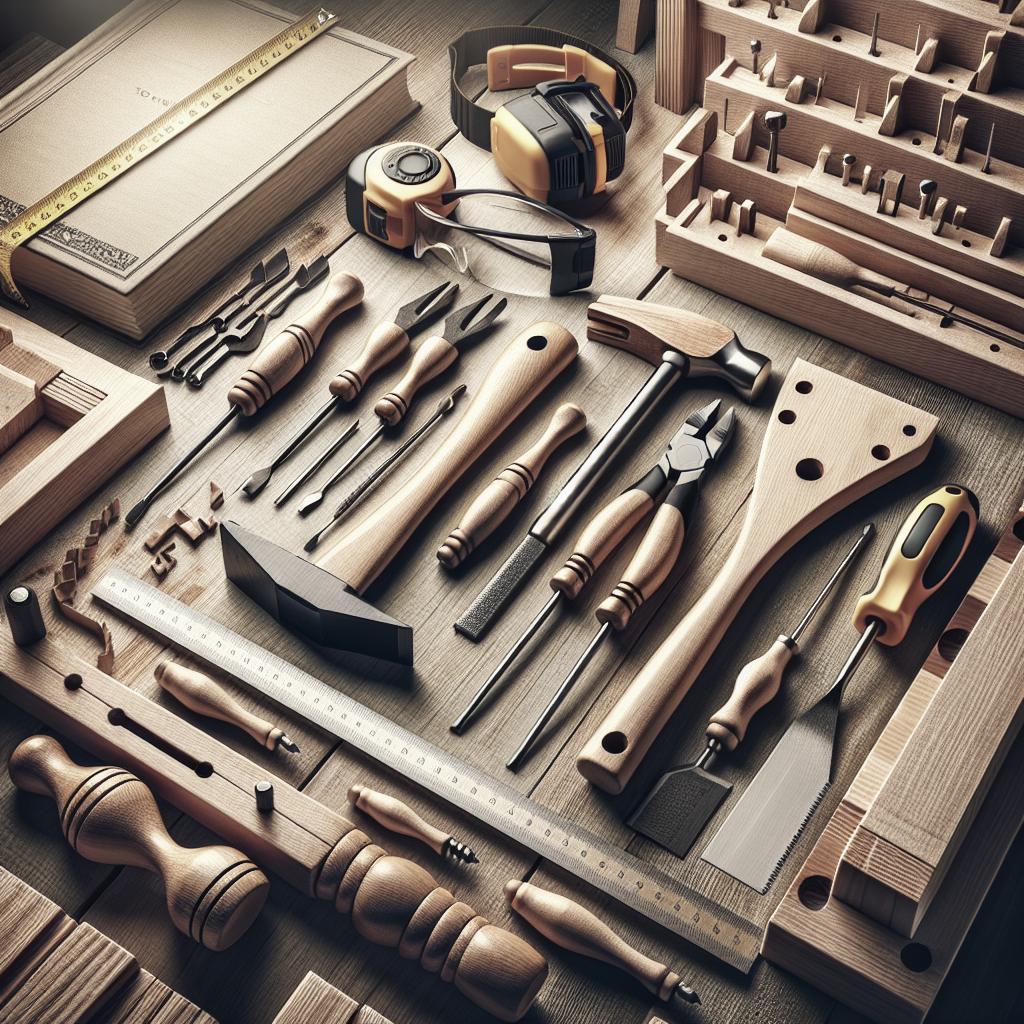
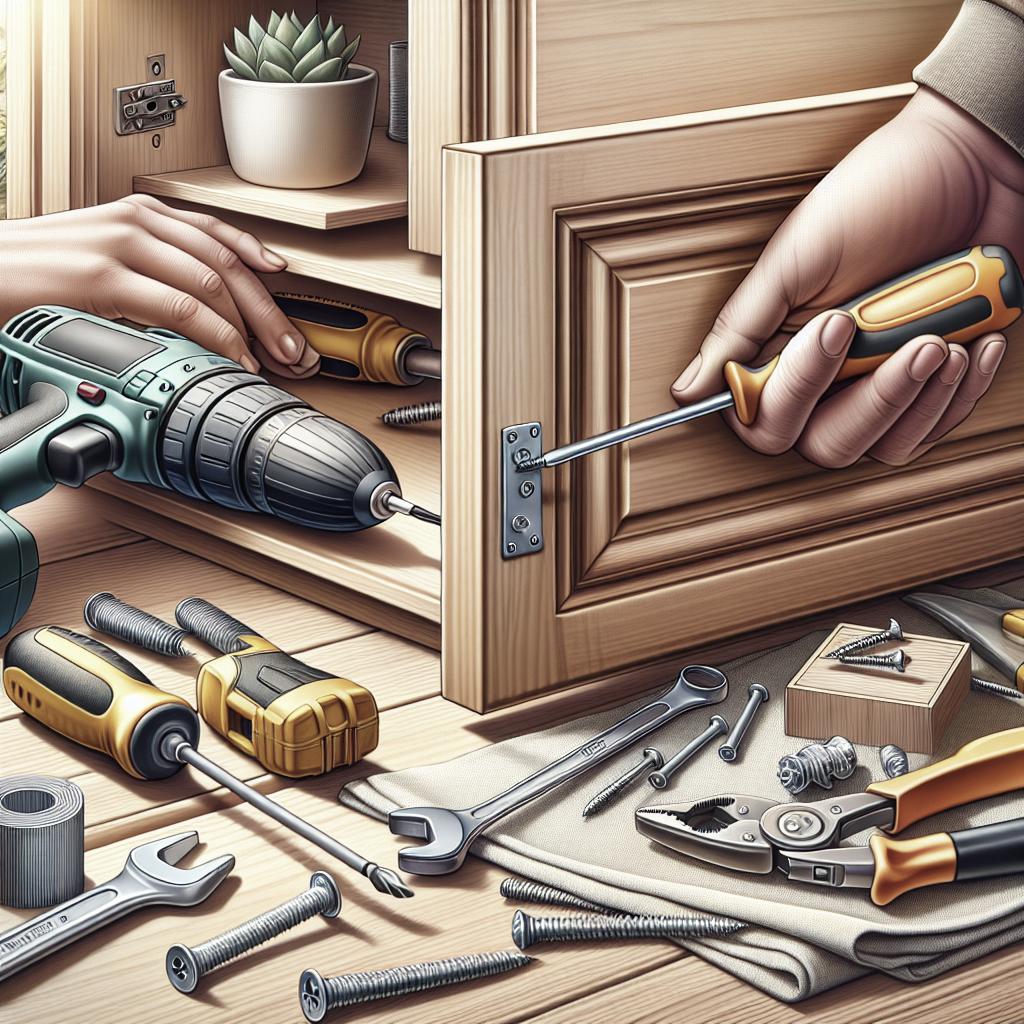
Before starting any repair task, it’s essential to gather the necessary tools and materials. Common items include a screwdriver (Phillips or flathead, depending on your hinge type), wood glue, toothpicks or dowels, and replacement screws or hinges.
In some cases, you might need a drill, a hammer, or a cordless screwdriver for more stubborn repairs. Having a selection of different-sized screws can also be beneficial, as you’ll need to find the correct fit for your specific cabinets.
In addition to repair tools, consider protective gear, such as gloves and safety glasses, if using power tools. Being prepared will save time and make the repair process smoother and more efficient.
Tightening Loose Cabinet Hinge Screws
The simplest solution for loose cabinet doors is often just tightening the screws. Start by examining the screws in the hinges. Use a screwdriver to tighten each one, ensuring they’re secure but not overly tight to avoid stripping the holes.
If tightening the screws doesn’t resolve the issue, the problem may be more complex, such as stripped holes or inadequate hinge support. In such cases, you’ll need to move on to advanced repair techniques, which we will discuss in later sections.
Fixing Stripped Hinge Holes
The Toothpick and Wood Glue Method
One of the classic methods for fixing stripped hinge holes involves using wooden toothpicks and wood glue. First, remove the loose screws from the hinge. Dip several toothpicks in wood glue and insert them into the stripped hole. Allow the glue to dry, then trim the excess toothpick material flush with the cabinet frame.
Once dry, reinsert the screw into the hole. The toothpicks should provide enough additional material for the screw to grip securely. This low-cost, straightforward solution is highly effective for minor repairs.
Alternative Repair Options
If the toothpick method isn’t suitable, other solutions exist. For larger holes, using a dowel rod cut to the length of the hole may be more effective. With wood glue to secure it, once dried, the dowel can be drilled and new screws inserted.
Repair kits are also available that provide specialized devices for stripped holes. These kits can be an excellent investment if you frequently encounter this problem and want a more durable repair method.
Addressing Sagging Cabinet Doors
Replacing with Stronger Hinges
If your cabinet doors are sagging, it may be time to replace the existing hinges with stronger, more durable options. Hinges come in various sizes and materials, so select ones that can support the weight of your doors.
When selecting hinges, consider stainless steel or heavy-duty brass, which provide enhanced support and longevity. Replacing weakened or inadequate hinges can significantly improve the door’s alignment and functionality.
Adding Additional Hinges for Support
In cases where replacement hinges do not suffice, consider adding additional hinges to distribute the door’s weight more evenly. Adding one or two extra hinges can minimize the strain on each hinge, thus prolonging their lifespan.
This method may require more extensive modifications to the cabinet, such as drilling new hinge holes. It’s a practical option for very heavy doors or cabinets that store weighty items.
Troubleshooting Persistent Hinge Issues
Should hinge issues persist despite your repair efforts, further troubleshooting may be necessary. Assess whether the problem relates to the cabinet’s alignment or the structure itself possibly being warped.
Persistent issues might require professional assistance to avoid damaging the cabinetry further. Consulting with a specialist could save time and prevent more severe complications.
Preventative Maintenance for Cabinet Hinges
Lubrication
Regular lubrication can help maintain the smooth operation of cabinet hinges. Apply a small amount of lubricant spray or oil directly onto the hinge joints. This reduces friction and wear, keeping the hinges in good condition over time.
Make sure to wipe off excess lubricant to avoid attracting dust and grime, which can contribute to further wear and eventual loosening.
Monitoring for Early Signs of Damage
Regularly inspecting your cabinets can help you identify and address potential issues early. Look for loose screws, rusted hinges, and misaligned doors as indicators that maintenance is required.
Early intervention can prevent minor issues from developing into significant problems, saving time and repair costs in the long run.
Soft-Close and Concealed Cabinet Hinges
Soft-Close Mechanisms
Soft-close hinges are a popular choice for modern cabinetry, offering smooth and quiet closing. They come equipped with a built-in damper technology that prevents the door from slamming shut.
If upgrading to soft-close hinges, ensure that they’re compatible with your current cabinet design. This upgrade can enhance the overall usability and longevity of your cabinets.
Concealed Hinges
Concealed hinges, also known as European hinges, are installed on the inside of the cabinet, providing a streamlined appearance. They’re fully adjustable and easy to maintain, making them a favored option in contemporary design.
While they can improve the aesthetics of your cabinetry, ensure you choose high-quality concealed hinges for long-lasting performance and reliability.
Future Prospects
| Problem | Solution | Methods |
|---|---|---|
| Loose Screws | Tightening | Use a screwdriver, check for stripped holes |
| Stripped Hinge Holes | Repair | Toothpick & wood glue, dowel replacement |
| Sagging Doors | Support | Stronger hinges, additional hinges |
| Maintenance | Prevention | Lubrication, early damage detection |
| Modern Options | Upgrade | Soft-close, concealed hinges |
Next Up In Cabinets
Read More About Cabinet Hardware:
If you’re interested in further upgrading your cabinetry, explore the latest trends in cabinet hardware and accessories. From sleek cabinet pulls to innovative organizational systems, enhance the functionality and style of your kitchen or bathroom cabinets.
Check back on our blog for more tips and guides on cabinet maintenance and improvement projects, providing practical advice for homeowners and enthusiasts alike.
“`