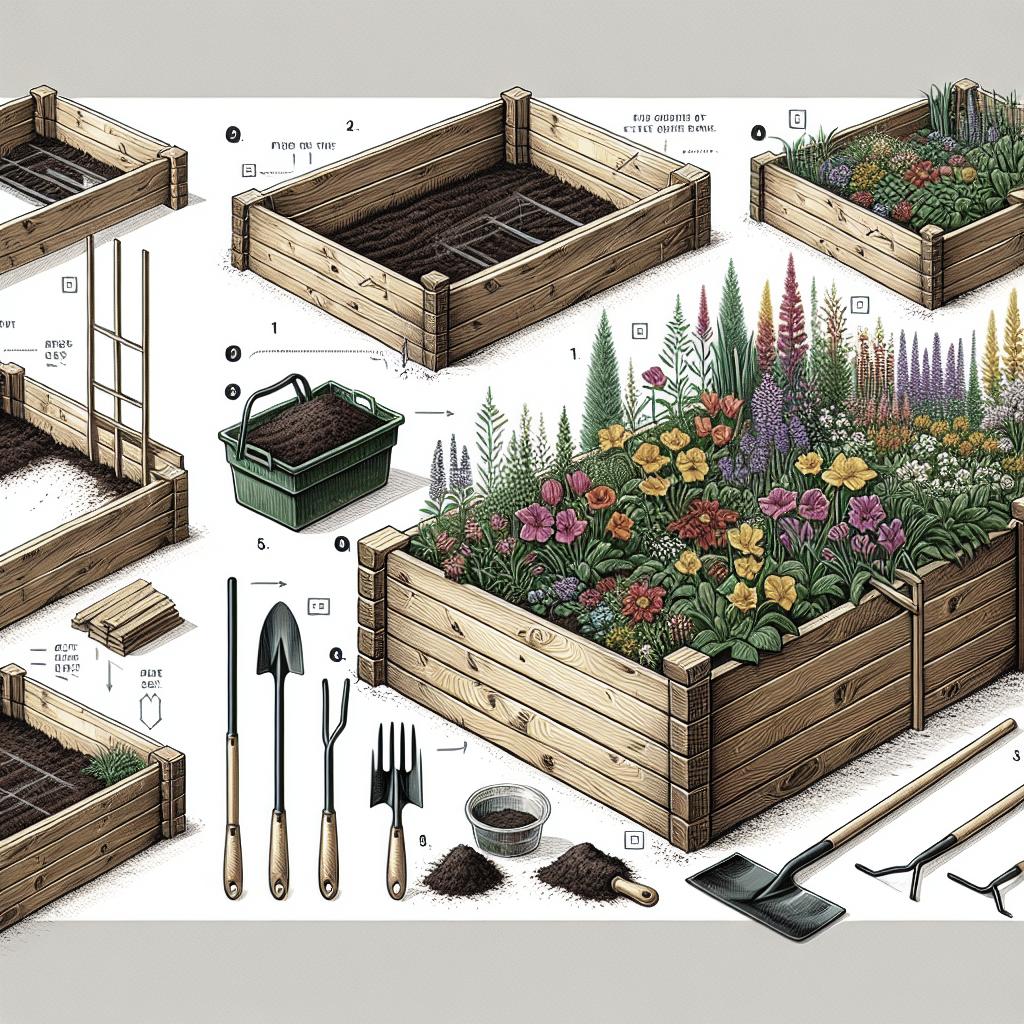
Do-it-yourself projects turn ideas into tangible results. Whether refining a living space, building custom furniture, or exploring sustainable crafting methods, successful makers combine creativity with practical planning. Access to materials, tools, and suitable workspaces often determines how smoothly a project progresses from concept to completion.
Building Skills Through Home Improvement and Crafting
DIY work thrives on clear guidance, experimentation, and community knowledge. Comprehensive tutorials help beginners gain confidence, while experienced makers find inspiration in new techniques and material combinations. Emphasizing sustainability encourages the reuse of resources and thoughtful design choices that reduce waste.
- Step-by-step guides for home improvement projects
- Crafting tutorials suitable for different skill levels
- Ideas that promote material reuse and eco-friendly methods
- Inspiration for transforming everyday spaces
Discover more project ideas and creative guidance at ECDL.
Practical Transport for Project Materials and Site Access
Many DIY tasks involve moving supplies, tools, or finished pieces between locations. Workshops, outdoor project sites, and supply stores are not always nearby. For makers who need reliable off-road or mixed-terrain capability, an electric dirt bike such as the happyrun f18 2.0 electric dirt bike can support practical mobility when accessing work areas or transporting lighter loads, always in accordance with local regulations and safety practices.
Comparing Options for Moving Project Supplies
| Option | Advantages | Considerations | Best For |
|---|---|---|---|
| Walking or handcart | Simple and low-cost | Limited capacity and range | Nearby materials |
| Car or van | High load capacity | Fuel cost and parking | Large or heavy supplies |
| Electric dirt bike | Good for mixed terrain and shorter trips | Load limits and local rules | Access to outdoor or remote work areas |
| Bicycle or e-bike | Efficient for urban routes | Terrain limitations | Regular supply runs in town |
Tips for Successful DIY Project Planning
- Start with a clear plan and realistic timeline for each stage of the work.
- Gather or source materials in advance to avoid interruptions.
- Choose tools and transport methods suited to the scale of the project.
- Prioritize safety when working with power tools or moving materials.
- Document progress and share results to inspire others in the community.
For broader context on the practice of making and repairing things oneself, the Wikipedia page on do it yourself provides useful background.
Conclusion
Creative DIY work combines imagination with practical execution. Access to clear tutorials, a supportive community, and efficient ways to handle materials and site visits all contribute to better outcomes. By pairing thoughtful project planning with suitable mobility solutions, makers can focus more energy on the creative process and enjoy the satisfaction of building something lasting.